

Modern workspaces face unprecedented security challenges in an era of evolving threats. A robust office security system serves as the backbone of workplace safety, protecting valuable assets, sensitive information, and most importantly – human lives.
Today’s office security solutions integrate sophisticated technology with systematic protocols to create multi-layered protection. These systems combine:
- Advanced surveillance equipment
- Smart access control mechanisms
- Real-time monitoring capabilities
- AI-powered threat detection
- Cloud-based management platforms
The primary objectives of comprehensive office security systems extend beyond basic theft prevention:
- Safeguarding personnel through controlled access and emergency response protocols
- Protecting physical assets including equipment, inventory, and infrastructure
- Securing sensitive data and intellectual property
- Creating a safe work environment that boosts employee confidence
- Maintaining regulatory compliance and reducing liability risks
A well-designed security system adapts to specific workplace needs while remaining scalable for future expansion. This strategic approach ensures organisations stay ahead of potential threats while maintaining operational efficiency.
Core Components of Modern Office Security Systems
Modern office security systems rely on sophisticated hardware components working in harmony to create multi-layered protection. These essential elements form the backbone of any comprehensive security infrastructure:
1. High-Definition CCTV Surveillance
- 4K resolution cameras with night vision capabilities
- Cloud storage integration for secure footage archival
- Real-time mobile access through dedicated apps
- Wide-angle coverage with pan-tilt-zoom functionality
2. Intelligent Motion Detection
- Advanced sensors detecting unauthorised movement
- Instant alerts through connected mobile devices
- Smart algorithms differentiating between routine and suspicious activity
- Integration with lighting systems for enhanced detection
3. Professional-Grade Alarm Systems
- Multi-zone coverage for targeted monitoring
- Direct connection to security monitoring centres
- Dual-technology sensors reducing false alarms
- Battery backup ensuring continuous operation
4. Advanced Access Control Solutions
- Biometric scanners reading fingerprints, facial features, or retinal patterns
- Smart card readers with encryption technology
- Electronic door locks with audit trail capabilities
- Time-based access restrictions for different security levels
These components create an interconnected security network, each element strengthening the others. The integration of cloud technology enables system administrators to manage security protocols remotely while maintaining detailed activity logs for future reference.
Physical Security Measures in the Workplace
Physical security is the first line of defence in modern office environments. A multi-layered approach combining advanced technology with human surveillance creates a strong security framework.
Access Control Systems
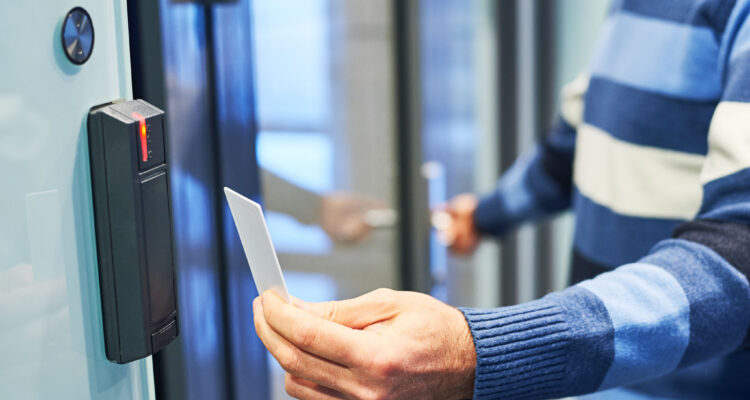
Access control systems are essential for regulating entry into the workplace. These systems employ various methods to ensure that only authorised individuals can access specific areas. Some key components of access control systems include:
- Key card systems with encrypted data
- Photo ID badges linked to personnel databases
- Facial recognition terminals at primary entry points
- Biometric scanners for high-security zones
Smart Entry Management
Smart entry management involves the use of electronic locks equipped with audit trails to monitor and manage access to different areas of the workplace. These locks track all entry attempts and successful access events, providing valuable insights into who enters and exits specific locations. Key features of smart entry management include:
- Time-based access restrictions
- Zone-specific permissions
- Emergency lockdown capabilities
- Remote management options
Strategic Surveillance Placement
Surveillance cameras play a crucial role in deterring and detecting potential security threats. By strategically placing high-definition cameras with advanced features, organisations can effectively monitor critical areas within their premises. Some key locations where surveillance cameras should be installed include:
- Building perimeters
- Reception areas
- Server rooms
- Emergency exits
- Car parks
Professional Security Personnel
While technology is important for maintaining security, having trained security personnel on-site adds an extra layer of protection. These professionals are responsible for implementing security protocols, responding to incidents, and ensuring the safety of employees and visitors. Key responsibilities of professional security personnel include:
- Regular patrol routes
- Visitor screening
- Incident response
- Emergency coordination
The combination of electronic systems and human oversight creates multiple layers of security. Security personnel stay alert while automated systems continuously monitor, forming a comprehensive protective barrier around office assets and individuals.
Digital Security in the Workplace
Digital security is a crucial part of protecting modern offices. It works alongside physical security measures to create a strong defence system. To protect digital assets, we need complex encryption methods and multiple layers of authentication.
Data Encryption Standards
- 256-bit AES encryption safeguards sensitive data during storage and transmission
- End-to-end encryption protects internal communications
- Secure socket layer (SSL) certificates ensure encrypted website connections
Advanced Authentication Systems
- Biometric verification through fingerprint and retinal scanning
- Hardware security tokens generating time-based codes
- Smart cards with embedded cryptographic keys
- Behavioural analytics tracking user patterns to detect anomalies
Risk-based authentication adjusts security levels based on user behaviour patterns, device locations, and access times. This flexible approach automatically changes authentication requirements when suspicious activities are detected:
- Requesting additional verification for unusual login locations
- Implementing temporary access restrictions after failed login attempts
- Monitoring and flagging irregular data access patterns
- Triggering alerts for unauthorised software installations
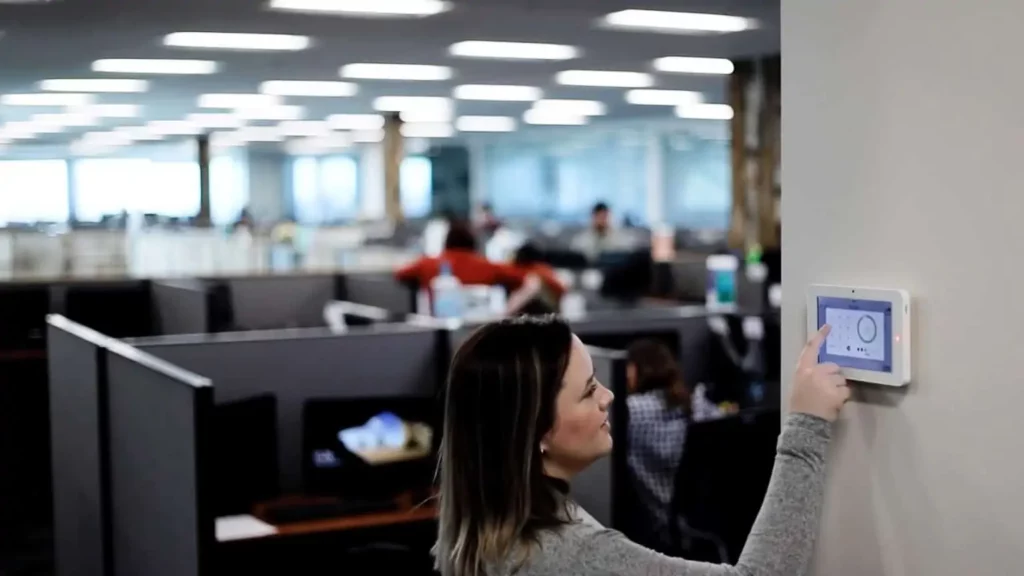
The integration of artificial intelligence enhances these security measures by learning normal user behaviours and identifying potential threats in real-time. Machine learning algorithms analyse patterns across the network, detecting and responding to security breaches before significant damage occurs. Click here to learn about why more businesses are choosing Security Companies in Sydney.
Procedural Security Protocols for a Safe Work Environment
A robust visitor management system forms the backbone of workplace security protocols. Digital badge systems track visitor movements throughout the facility, creating detailed logs of entry and exit times. These systems integrate with automated notifications to alert relevant staff members when visitors arrive.
Essential Security Protocols:
- Visitor Check-in RequirementsPhoto identification verification
- Digital signature capture
- Automated host notification
- Temporary access badge issuance
- Real-time visitor tracking
Emergency evacuation plans require clear communication and precise execution. Strategic placement of illuminated exit signs, emergency route maps, and assembly point markers guide occupants to safety during critical situations. It’s crucial that everyone understands the meaning and importance of muster points, as these are vital in ensuring everyone’s safety during an evacuation.
Emergency Response Framework:
- Designated floor wardens
- Primary and secondary evacuation routes
- Assembly point coordination
- Head count procedures
- Communication protocols with emergency services
Regular security drills strengthen employee preparedness through practical experience. Monthly fire drills, quarterly lockdown exercises, and annual full-scale emergency simulations help staff members internalise proper response procedures.
Incident Response Protocols:
- Dedicated response team assignments
- Clear chain of command
- Communication channels
- Documentation requirements
- Post-incident review procedures
These structured protocols create a secure environment where staff and visitors understand their roles during security events. Regular training sessions reinforce these procedures, ensuring swift and coordinated responses to potential threats.
Advanced Technologies Enhancing Office Security Systems
Modern office security systems use advanced technologies to provide an unmatched level of protection. AI-powered surveillance cameras now have advanced features that go beyond basic recording:
1. Intelligent Threat Detection
- Real-time facial recognition
- Identification of suspicious behaviour patterns
- Automated alerts for unauthorised access attempts
- Object recognition and tracking
Cloud-enabled CCTV systems are transforming security monitoring by offering:
2. Remote Accessibility
- 24/7 smartphone access to live feeds
- Secure data storage with encryption
- Instant playback capabilities
- Automated backup systems
The integration of back-to-base alarm monitoring is creating a strong security network with the following features:
3. Professional Monitoring Centre Features
- Direct connection to security control rooms
- Rapid coordination of emergency response
- Real-time verification of incidents
- Automated protocols for dispatching
AI-driven analytics are enhancing security operations through behavioural analysis, which includes:
4. Advanced Analytics Capabilities
- Heat mapping of high-traffic areas
- Detection of anomalies in movement patterns
- Predictive assessment of threats
- Integration with access control systems
These technological advancements are creating a flexible security system that can adapt to new threats while maintaining efficiency in operations. The combination of AI, cloud connectivity, and professional monitoring services is establishing a comprehensive security framework that protects modern office environments.
Future Trends in Office Security Systems: Smart Building Integration and Beyond
The evolution of office security systems continues to accelerate with smart building integration leading the transformation of workplace safety. Modern offices now embrace interconnected ecosystems where security components work in harmony with building management systems.
Smart Integration Features:
- Automated lighting systems responding to movement patterns
- Solar-powered surveillance towers providing sustainable security solutions
- Climate control systems adapting to occupancy levels
- Predictive maintenance alerts for security equipment
The rise of IoT security devices creates unprecedented opportunities for streamlined operations. A centralised management platform serves as the command centre, enabling:
- Real-time monitoring of multiple security functions
- Automated responses to security breaches
- Energy consumption optimisation
- Customisable security protocols
Smart building integration brings substantial benefits to operational efficiency:
- Cost Reduction: Automated systems reduce energy waste and maintenance expenses
- Enhanced Security: Coordinated responses between different security components
- Improved Accessibility: Remote management capabilities via mobile devices
- Scalability: Easy integration of new security features as needs evolve
The next generation of office security systems demonstrates remarkable adaptability through machine learning algorithms. These systems analyse patterns in building usage, security incidents, and access requests to create dynamic security protocols that evolve with changing workplace needs.
Smart technologies continue to reshape security infrastructure, making buildings more responsive and secure. The integration of security systems with building management platforms creates a foundation for future innovations in workplace protection.
Conclusion
A robust office security system is essential for ensuring the safety of modern workspaces. By combining physical barriers, advanced technology, and clear procedures, businesses can create a strong defence against potential threats.
Implementing integrated office security systems offers several key benefits:
- Better protection for assets and employees
- Simplified security management through centralised controls
- Lower operational risks and insurance costs
- Enhanced emergency response capabilities
- Flexibility to adapt to changing security threats
To create a secure workplace, businesses must take a strategic approach that combines:
“Traditional security measures with innovative solutions, creating a comprehensive shield against both physical and digital threats.”
By incorporating these Essential Features for Modern Workspaces, companies can stay ahead in workplace security. Investing in comprehensive security solutions not only safeguards valuable assets but also fosters a secure environment where employees can concentrate on their tasks without worry.